Autism in girls and special education often feels like a quiet storm—subtle, powerful, and sometimes invisible to the untrained eye. While boys are more likely to receive a diagnosis early, many girls slip through the cracks, only to be discovered later when challenges become too big to ignore. This article explores why girls with autism are under‑identified, how special education can adapt to their unique strengths, and what families, teachers, and communities can do to support them. By shedding light on this overlooked intersection, we hope to empower stakeholders to create a more inclusive learning environment.
The Silent Spectrum: Why Girls with Autism Often Go Unnoticed
Masking and Camouflaging: The Everyday Performance
Girls with autism frequently develop sophisticated coping strategies—masking, or camouflaging—to blend into social settings. They might mimic peers’ gestures, force a laugh, or rehearse conversations in the mirror. This performance can look like normal social adeptness, masking underlying difficulties. It’s like wearing a mask in a masquerade ball; everyone sees the costume, but the wearer’s true feelings remain hidden.
Social and Academic Signals That Slip Past the Radar
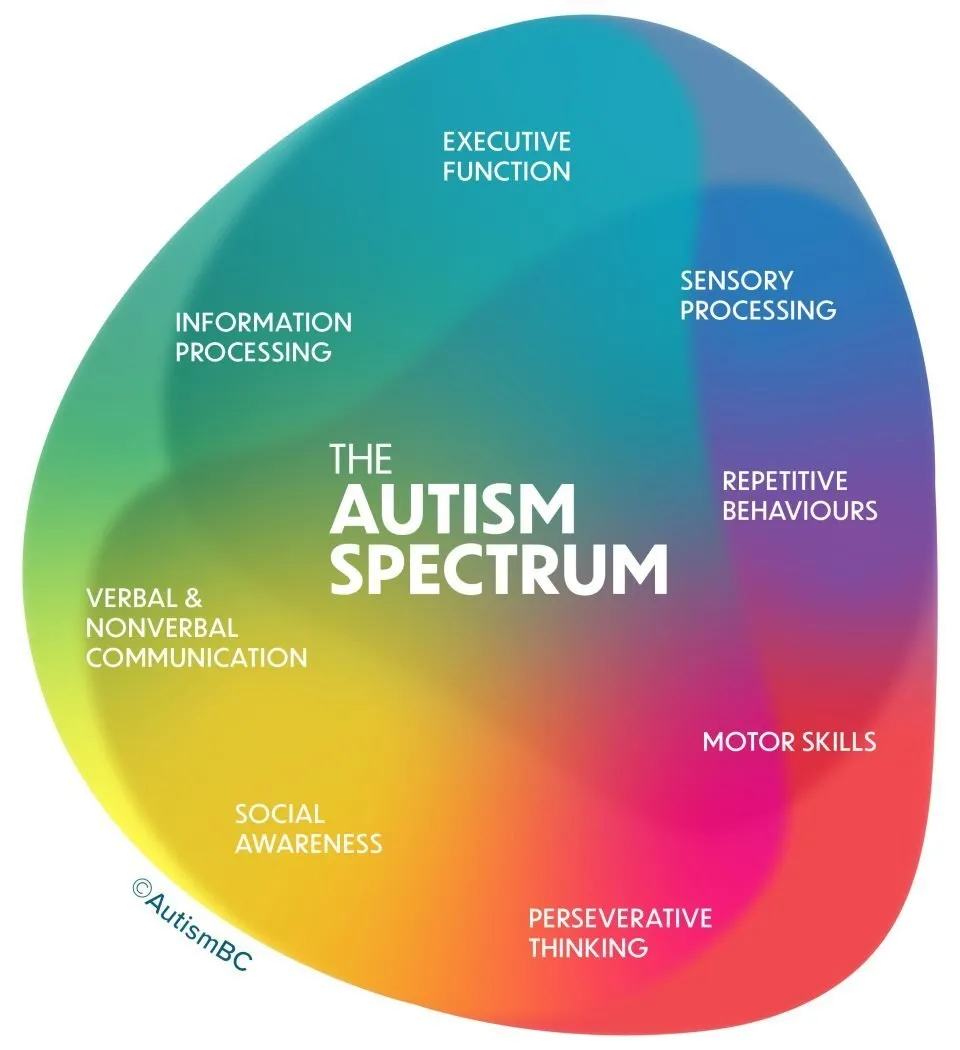
Teachers and parents often look for the classic signs of autism—repetitive behaviors, intense focus on a single interest, or sensory overload. When a girl instead displays shyness, anxiety, or a penchant for reading about trains, these cues can be misinterpreted as typical developmental differences. A quick anecdote: Maya, a 10‑year‑old who loves collecting stamps, was initially praised for her organizational skills. Only after a sudden drop in class participation did her mother seek a professional evaluation, revealing an autism diagnosis that had been quietly simmering.
Special Education: Tailoring Support to the Unique Needs of Girls
Individualized Education Plans (IEPs) That Shine
An IEP is the backbone of special education. For girls with autism, it should focus on both academic growth and https://www.scribd.com/document/954239427/Public-Autism-Assessment-Waiting-List-Australia-What-You-Need-to-Know-147101 social‑emotional development. Key elements include:
- Clear, concrete goals that use measurable outcomes. Social skills groups tailored to realistic scenarios—making friends, handling criticism. Sensory accommodations such as quiet corners or noise‑cancelling headphones. Peer‑mediated instruction that encourages collaboration rather than competition.
“Every child is a different story, and the IEP is the plot outline,” says Dr. Elena Ramirez, a developmental psychologist. Her words remind us that flexibility is essential.
Classroom Strategies That Work Wonders
Teachers can transform a classroom into a supportive ecosystem by:
- Providing visual schedules to reduce anxiety about transitions. Using explicit language and checking for understanding through quick thumbs‑up or written responses. Offering choice in assignments to tap into interests and increase motivation. Incorporating movement breaks to help regulate sensory input.
When a teacher says, “Let’s take a five‑minute stretch break before the next lesson,” it can feel like a gentle reset button for the whole class.
Beyond the Classroom: Inclusive Practices at Home and in the Community
Family Dynamics and Peer Interaction
Families play a pivotal role in reinforcing learning and social skills. Simple strategies include:
- Role‑playing social scenarios at dinner time. Encouraging participation in extracurricular activities that align with interests. Creating a calm, predictable routine at home to reduce overstimulation.
Parents often ask, “How can I support my daughter’s communication without making it feel forced?” The answer lies in creating natural, enjoyable contexts for practice—like cooking together or building a Lego set.

Technology and Therapeutic Tools
The digital age offers a treasure trove of resources:
- Apps that teach emotion recognition through interactive games. Virtual reality (VR) environments that simulate real‑world social settings. Online support groups where families can share tips and find community.
A quick look at a popular app reveals a bright, child‑friendly interface that turns learning about feelings into a playful quest—think of it as a treasure hunt for empathy.
A Call to Awareness: What Parents, Teachers, and Communities Can Do
Early Identification and Advocacy
Early detection saves time and resources. If you notice a child’s reluctance to engage in group Limited pretend play activities or a sudden change in behavior, consider a professional evaluation. Advocacy involves:
- Requesting comprehensive assessments that include sensory and executive functioning tests. Meeting with school counselors to discuss possible IEP adjustments. Staying informed about local resources and support networks.
Remember, “The best way to predict the future is to create it.”—Abraham Lincoln. By taking proactive steps today, we shape a brighter tomorrow for these young learners.
Building a Support Network
No one should navigate this journey alone. Communities can foster inclusion by:
- Hosting workshops on autism awareness for parents and teachers. Partnering with local businesses to provide internship opportunities for girls with autism. Establishing mentorship programs pairing older students with younger peers.
When a school district partners with a nearby museum, it offers a hands‑on learning experience that can ignite curiosity and confidence in girls who otherwise might feel sidelined.
Final Reflections: Empowering Girls on the Autism Spectrum
Autism in girls and special education is not a one‑size‑fits‑all scenario; it’s a mosaic of strengths, challenges, and opportunities. By recognizing the subtle signs, tailoring IEPs, and fostering inclusive environments—both inside and outside the classroom—we can help these girls bloom. The journey may feel like navigating a maze, but with the right tools and support, the path becomes clearer.
If you’re a parent, teacher, or community member, consider taking the first step: ask a question, share a resource, or simply listen. Every small action contributes to a larger movement toward understanding and inclusion. The future of special education depends on our collective willingness to look beyond the obvious and embrace the unique brilliance that each girl on the autism spectrum brings to the table.